When most people think of motorsport, Formula One is the first name that comes to mind. The glamour, the global stages, the superstar drivers — it's the undisputed king of the racing world. But here's a question worth asking: when did the "pinnacle of motorsport" stop being about the fans who love it most?
Formula One has evolved into something extraordinary — and something increasingly out of reach. Race weekends now feel less like sporting events and more like luxury festivals, where VIP hospitality suites and celebrity appearances take centre stage over the raw, visceral experience of standing next to a 1,000 horsepower machine. The average fan — the one who grew up watching qualifying laps on a Saturday morning, the one who dreamed of one day walking the paddock — is increasingly being priced out and walled off from the very sport they helped build. Tickets, travel, accommodation, and the sheer choreography of the modern F1 experience have turned what was once accessible passion into an elitist spectacle. It's pageantry more than it is racing.
But here's the thing: the spirit of motorsport didn't go anywhere. It just moved somewhere else.
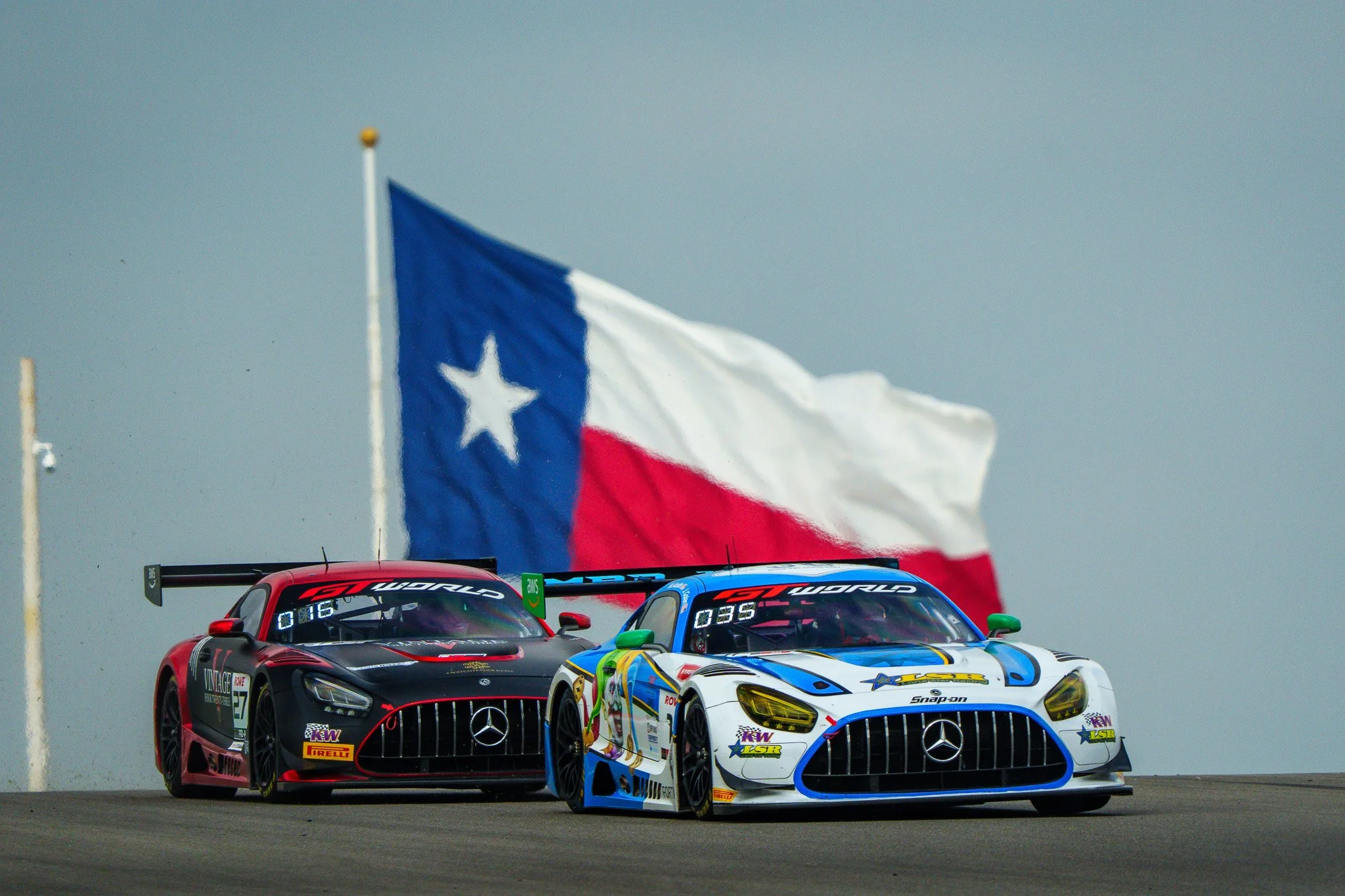
Series like IMSA, SRO, the British Touring Car Championship, the FIA World Endurance Championship, and the European Le Mans Series represent something that F1 has quietly traded away — authenticity. At an IMSA or SRO event, fans don't just watch the racing, they live it. Paddock access means you're standing feet away from the cars being prepped between stints. You can speak to engineers, watch mechanics work under pressure, and experience the raw, unfiltered energy of endurance and GT racing in an environment that genuinely welcomes you. The grid walk isn't a ticketed privilege — it's part of the culture.
The BTCC has long been one of the greatest examples of fan-first motorsport done right. A full race day delivers multiple races across multiple championships, all under one ticket price, with paddock access included as standard. Fans can walk the pitlane, get up close to the cars, and interact with drivers and teams in a way that feels personal rather than choreographed. It's unpretentious, action-packed, and deeply connected to the people who support it — exactly what grassroots motorsport should be.
The WEC and ELMS carry that same philosophy onto the world endurance stage. Whether you're at Spa, Portimão, or the greatest race in the world at Le Mans, these events are built around the idea that the fan experience is inseparable from the sport itself. Le Mans in particular is a cultural institution — fans camp trackside for days, access is democratic, and the atmosphere is unlike anything else in motorsport. The ELMS extends that same spirit to a wider calendar, giving fans across Europe the chance to experience endurance racing up close without the barriers that have come to define the F1 weekend experience.
These series understand something fundamental: the fan is not a demographic to be monetised, they are the heartbeat of the sport.
This is what authentic motorsport looks like. Not a backdrop for brand activations and influencer content, but a living, breathing community where passion for racing drives everything.
So yes — Formula One is the spectacle. It's the biggest show in motorsport, and there's genuine brilliance in what it has become. But if you want to truly experience racing — if you want to feel the heat of the cars, connect with the people who build and drive them, and be part of something that hasn't lost its soul — then IMSA, SRO, BTCC, WEC, and ELMS are where real motorsport lives.
The pinnacle isn't always the highest. Sometimes, it's the most real.